Introduction
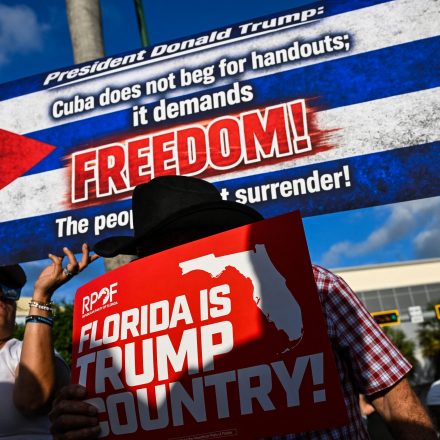
In an unprecedented move, the U.S. intelligence community has thrown open its doors, inviting Cubans to partner with the CIA. Secretary of State Marco Rubio's public appeal on social media has turned what was once covert recruitment into a headline-grabbing casting call, reflecting a broader shift toward openly signaling intelligence ambitions.
What Happened
Rubio's post on X invited Cubans seeking positive change to seize the opportunity to create the change you desire through a discrete partnership with the CIA. The gesture follows a pattern of public recruitment under both Biden and Trump, including Telegram channels and social media videos targeting adversary assets. Historically, the CIA has pursued Cuban assets from the Bay of Pigs era to the present, yet each attempt has faced the island's decentralized military structure and institutional redundancies. The current overture also arrives alongside Trump's rhetoric about U.S. ships stopping just off the Cuban coast and Rubio finishing the deal, as well as the administration's broader framing of the Western Hemisphere as under a Washingtonian protectorate.
Why This Matters
The public nature of the call signals a strategic shift: intelligence operations are being normalized for domestic consumption. Comparisons to Israel's Mossad, which has openly boasted cyberattacks and kinetic operations against Iran, illustrate how spy agencies are increasingly branding themselves as menacing superpowers. For Cuba, the recruitment drive arrives amid a regime that structures power through decentralized leadership, making top-down collapse far harder than in Venezuela. The move also underscores how U.S. imperial rhetoric from Greenland to Venezuela to Cuba has become explicit, even as actual regime change proves far more elusive.
Key Takeaways
- Marco Rubio's public X post marks a rare open recruitment call for Cuban assets.
- The CIA's shift to public-facing outreach reflects the erosion of traditional clandestine channels in an era of universal surveillance.
- Historical U.S. attempts to overthrow Cuba have consistently failed, and the island's decentralized military structure presents a formidable barrier.
- The operation echoes broader Trump-era imperial rhetoric, even as actual policy outcomes remain uncertain.
- Mossad's public operational boasts have set a precedent that U.S. agencies are now imitating, blurring the line between covert action and public spectacle.
Conclusion
Whether the CIA's casting call yields any real intelligence remains to be seen. What is clear is that the era of quiet human recruitment is giving way to a new model of visible, politicized intelligence outreach, one that reflects both the vulnerabilities of U.S. spycraft and the ambitions of an administration eager to project power across the Western Hemisphere.





Discussion
Join the conversation
Thoughtful reactions, questions, and follow-up ideas help shape the next story.