Introduction
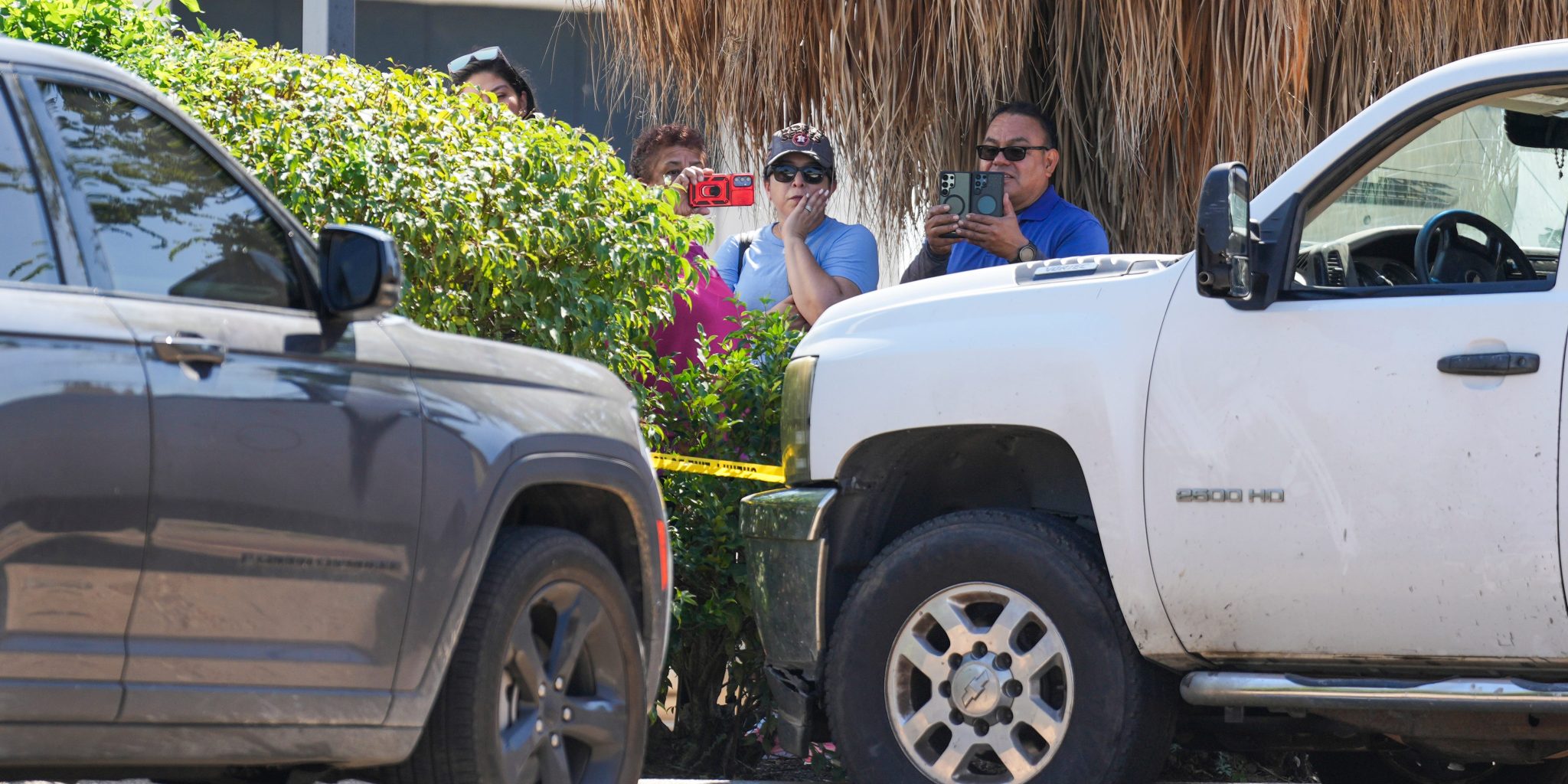
Ice agents have increasingly deployed their vehicles as weapons against immigrants and activists, a pattern documented through two dozen real-world incidents. The investigation reveals how aggressive driving tactics have resulted in injuries, hospitalizations, and deaths across multiple states.
What Happened
The investigation details a range of tactics including ramming vehicles, brake-checking observers, and deliberately driving into pedestrians. Specific incidents include an ICE agent striking Miguel Parra Hernandez as he fled on foot into a parking lot, and another agent hitting Ricardo Gonzalez while he rode his bicycle on a Long Beach street. In Woodland, California, Antonio Moreida was knocked to the ground when a black Chevy Tahoe accelerated toward him while he documented the vehicle.
- Volunteer Leo Martinez had his pickup truck rammed by ICE agents in Ventura County, California, and was subsequently dragged from the vehicle and hospitalized, only to be released without charges.
- Three unmarked government vehicles surrounded and rammed Martinez's car in March, breaking his window and dragging him out before he was again released without charge.
- Sudden deceleration maneuvers became a common tactic, where agents force following cars into their rear bumpers, a practice illegal in all 50 states but routinely used to intimidate volunteers monitoring ICE activity.
- In Elgin, Illinois, a PIT maneuver attempt by ICE agents resulted in a crash that state investigators deemed an unskilled immobilization technique, though DHS maintained the target had rammed an ICE vehicle into a tree.
- Christian Molina, a U.S. citizen, was rear-ended by ICE agents in Minneapolis while preparing to pull over; the agents left the scene without providing contact information despite promising to cover damage.
- A high-speed chase through a Chicago residential neighborhood saw ICE agents blow through intersections before ramming their target's car, alarming neighbors with a child present.
- In Savannah, Georgia, a chase for Oscar Vasquez Lopez ended when his car struck and killed a teacher; Vasquez Lopez had no criminal record, only a pending deportation order.
- Two separate ICE chases in New Jersey resulted in hospitalizations, with DHS blaming the targets for fleeing.
- ICE agents have driven into crowds of protesters and rapid responders, including an incident in Woodland where an agent struck Moreida, and another in San Francisco where protesters clung to a vehicle's hood before being thrown off as it accelerated.
- Following the killings of Lorenzo Salgado Araujo and Renée Good, DHS ordered a temporary halt to traffic stops, but the very next day ICE chased a group of roofers in Texas, blowing through a stop sign and speed bump, forcing a mother to swerve into a ditch to avoid collision.
- An internal ICE memo obtained by the AP banned high-speed car chases, though it still permits trained agents to conduct traffic stops and offensive driving maneuvers.
Why This Matters
The documented pattern reveals how ICE's vehicle tactics operate with minimal oversight, often contradicting official claims that civilians weaponized their cars against agents. Video evidence and witness accounts consistently show ICE agents initiating collisions, yet the Department of Homeland Security frequently deflects blame onto victims. The lack of standardized training, combined with expanded discretion under recent policy changes, means civiliansincluding U.S. citizensface real risk of injury or death during immigration enforcement operations. Experts warn that without transparent accountability, these tactics will continue to endanger communities, particularly in urban areas where pedestrians and cyclists are most vulnerable.
Key Takeaways
- ICE agents have used vehicles as weapons in at least two dozen documented incidents, causing injury, hospitalization, and death.
- Aggressive driving tactics include ramming, brake-checking, and deliberate impacts, often without emergency lights or sirens.
- Official denials frequently clash with video footage, surveillance, and witness testimony.
- Policy changes under the Trump administration expanded agents' discretion, including the ability to ignore traffic laws during immigration enforcement.
- Internal reforms, such as the AP-reported ban on high-speed chases, still allow offensive driving maneuvers and traffic stops.
- Communities and advocacy groups continue to document and resist these tactics, but accountability remains limited.
Conclusion
The investigation underscores a growing concern: when federal agents treat their cars as weapons with limited oversight, the public bears the cost. As ICE expands its enforcement footprint, the need for transparent policies, independent oversight, and meaningful accountability becomes increasingly urgent. Readers concerned about civil rights, road safety, and the scope of federal power should stay informed and support investigative reporting that holds agencies accountable.






Discussion
Join the conversation
Thoughtful reactions, questions, and follow-up ideas help shape the next story.