Introduction
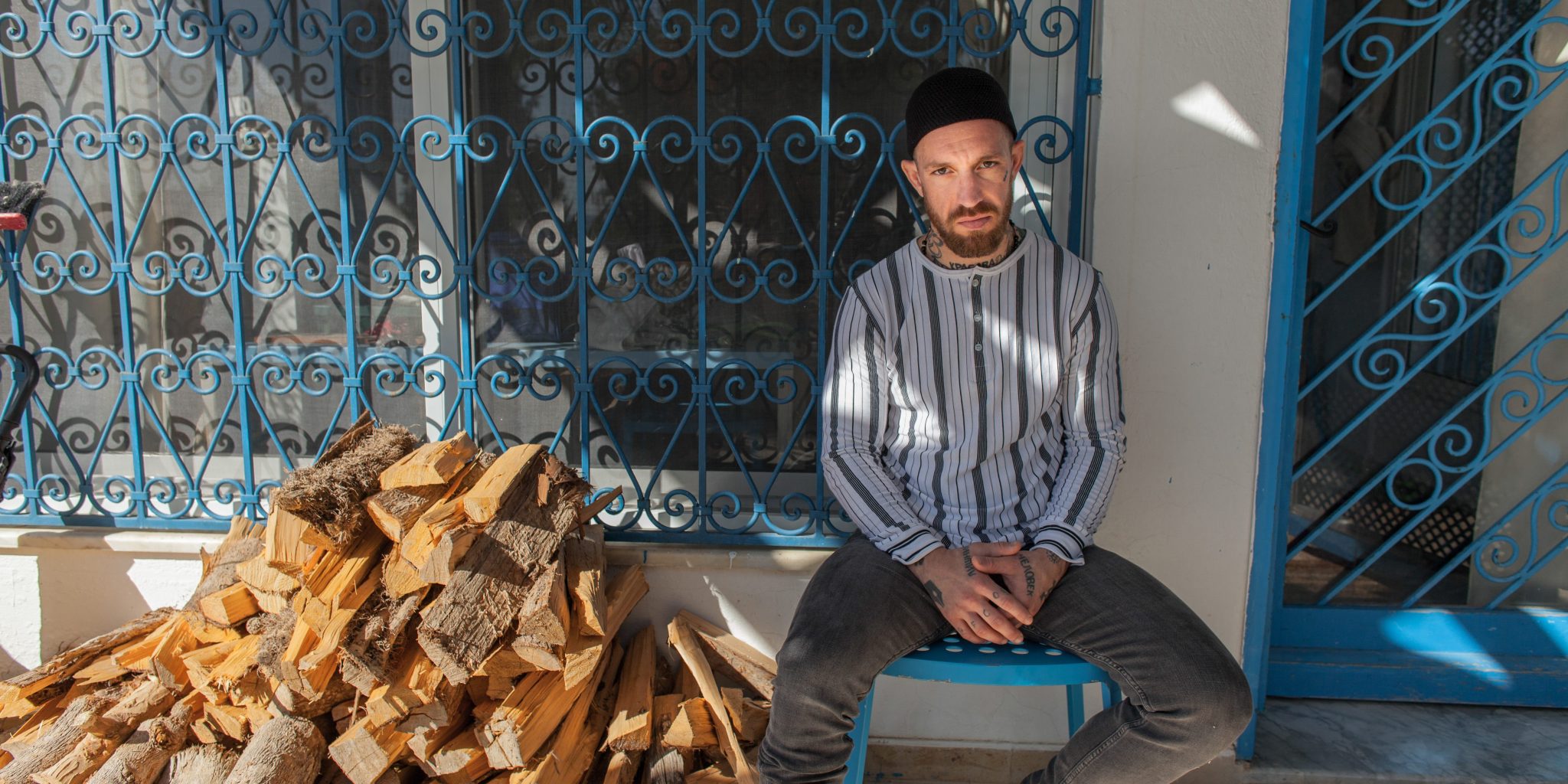
James 'Fergie' Chambers, the millionaire left-wing donor and heir to the Cox fortune, is fighting extradition from Spain to the U.S. never having been formally indicted. His case rests on a sealed criminal complaint, sparking legal debate and protester solidarity.
What Happened
The Trump administration initiated an extradition request based solely on a single FBI agent's criminal affidavit, not a grand jury indictment. Two pro-Palestine activists who protested an Elbit Systems factory in New Hampshire last year have refused to testify before a federal grand jury, citing fear of political persecution. The charges against Chambers include riot, incitement to riot, and international money laundering — the latter tied to $7 million sent to Tunisia, which his family and Club Africain say was for soccer club debts, not terrorism. His lawyers argue the case is unprecedentedly weak and politically motivated, especially given the mild sentences handed to the actual protesters.
Why This Matters
The case highlights how the U.S. is using criminal complaints to pursue extradition without formal indictment, setting a potentially dangerous precedent for political activists. The refusal of Shergalis and Ross to testify echoes Chelsea Manning's stance against grand jury secrecy, and fits into a broader Trump-era crackdown on dissent labeled under NSPM-7. With Chambers an open communist and anti-imperialist who funds humanitarian projects in Gaza, the case sits at the intersection of immigration enforcement, pro-Palestine activism, and free speech battles.
Key Takeaways
- Chambers faces extradition on a criminal complaint, not an indictment, which his Spanish lawyers call abnormal.
- Two key protesters refused to testify, risking contempt, citing political persecution.
- The money laundering charge stems from $7 million sent to Tunisia; supporters say it was for Club Africain expenses.
- The case is linked to NSPM-7, the Trump administration's framework targeting anti-fascist activism.
- If Chambers is granted asylum in Spain, the extradition request will be denied.
Conclusion
As Spanish courts weigh the extradition request, Chambers remains detained, with his fate hinging on asylum proceedings and the strength of a case built on a sealed complaint. The outcome could signal how far the government will go to criminalize pro-Palestine and left-wing activism under the current administration.




Discussion
Join the conversation
Thoughtful reactions, questions, and follow-up ideas help shape the next story.