
Introduction
The 2026 US midterm elections marked a significant shift, with a new generation of politicians of African descent breaking barriers and winning decisive races across multiple states. Their victories signal both demographic change and the growing influence of progressive platforms.
What Happened
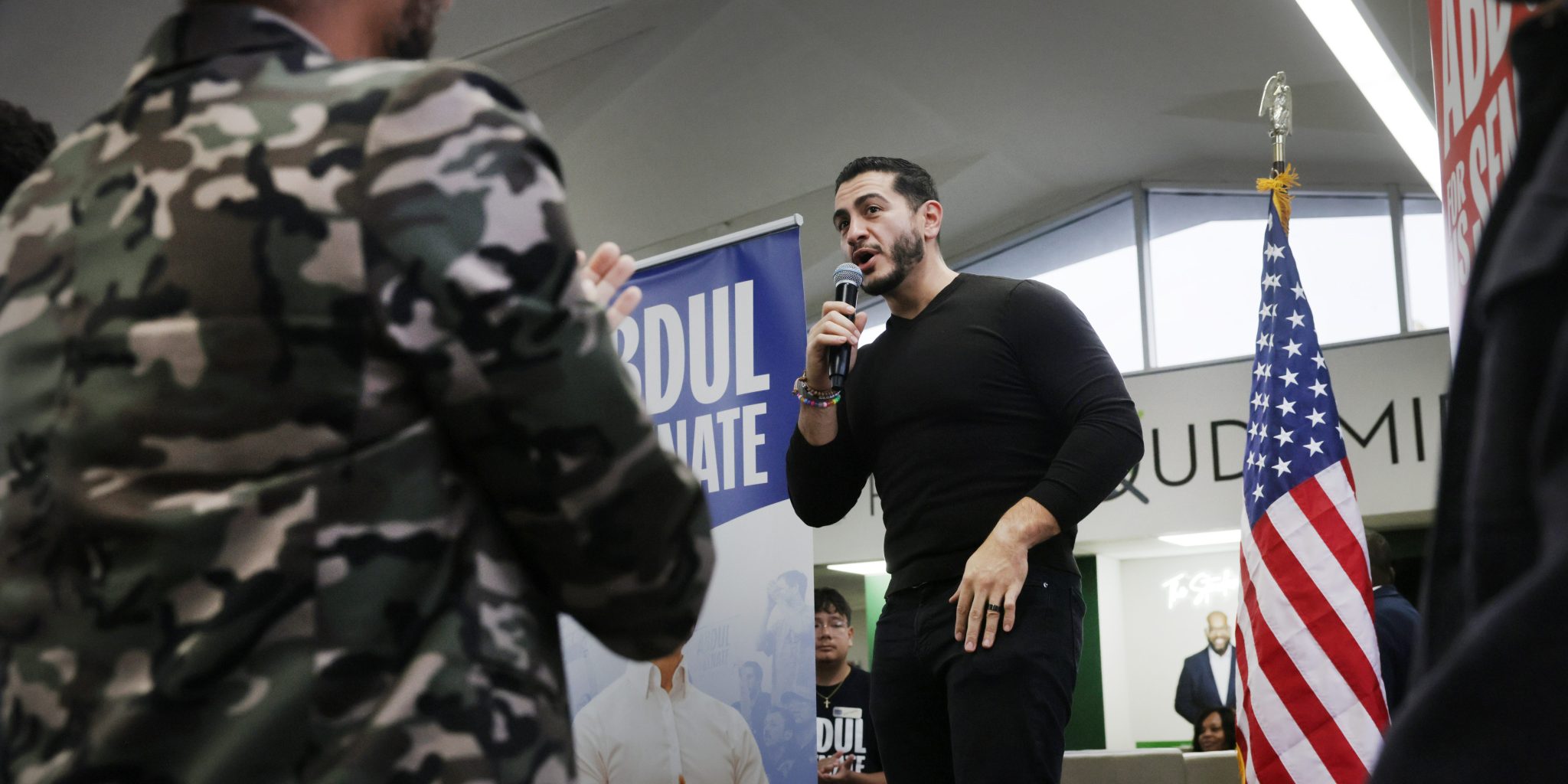
Abdul El-Sayed, a 42-year-old Democrat born to Egyptian immigrant parents, secured a Senate seat in Michigan, becoming the first Muslim senator from the state. His campaign emphasized Medicare for All, affordable housing, and criticism of US military aid to Israel. Meanwhile, Melat Kiros, 29, made history as the first Gen Z woman elected to the US House of Representatives from Colorado's 1st District, having arrived in the US as a baby from Ethiopia. Her platform centered on cost-of-living relief, universal childcare, and Medicare for All. Adrian Boafo, 32, a second-generation Ghanaian-American, won Maryland's 5th Congressional District, unseating a four-decade incumbent and focusing on federal worker protections and economic justice.
Why This Matters
These results signal a notable realignment in American politics, where younger voters and diaspora communities are increasingly decisive. The victories highlight the growing electoral power of African-born and African-American candidates, the effectiveness of social media-first campaigning, and the prioritization of issues like housing, childcare, and foreign aid scrutiny. Beyond the US, the wins have resonated across Africa, offering inspiration to young voters ahead of major elections in 2027.
Key Takeaways
- Abdul El-Sayed becomes the first Muslim senator from Michigan, defeating high-profile opposition on a progressive platform.
- Melat Kiros makes history as the first Gen Z woman elected to the US House of Representatives.
- Adrian Boafo unseats a long-serving incumbent to represent Maryland's 5th Congressional District.
- Ilhan Omar wins a fifth term in Congress despite an ongoing federal investigation.
- Junior Ezeonu and Carol Kazeem extend Nigerian-American representation into state legislatures in Texas and Pennsylvania.
- Campaign strategies increasingly relied on TikTok, direct voter engagement, and policy-focused messaging to energize young and diverse electorates.
Conclusion
The 2026 midterms demonstrate that candidates with African roots are becoming central figures in US politics. Their successes reflect shifting voter priorities, the impact of targeted organizing, and the expanding definition of political leadership. As these officials take office, their policies on healthcare, immigration, and foreign aid will likely shape the national conversation for years to come.






Discussion
Join the conversation
Thoughtful reactions, questions, and follow-up ideas help shape the next story.