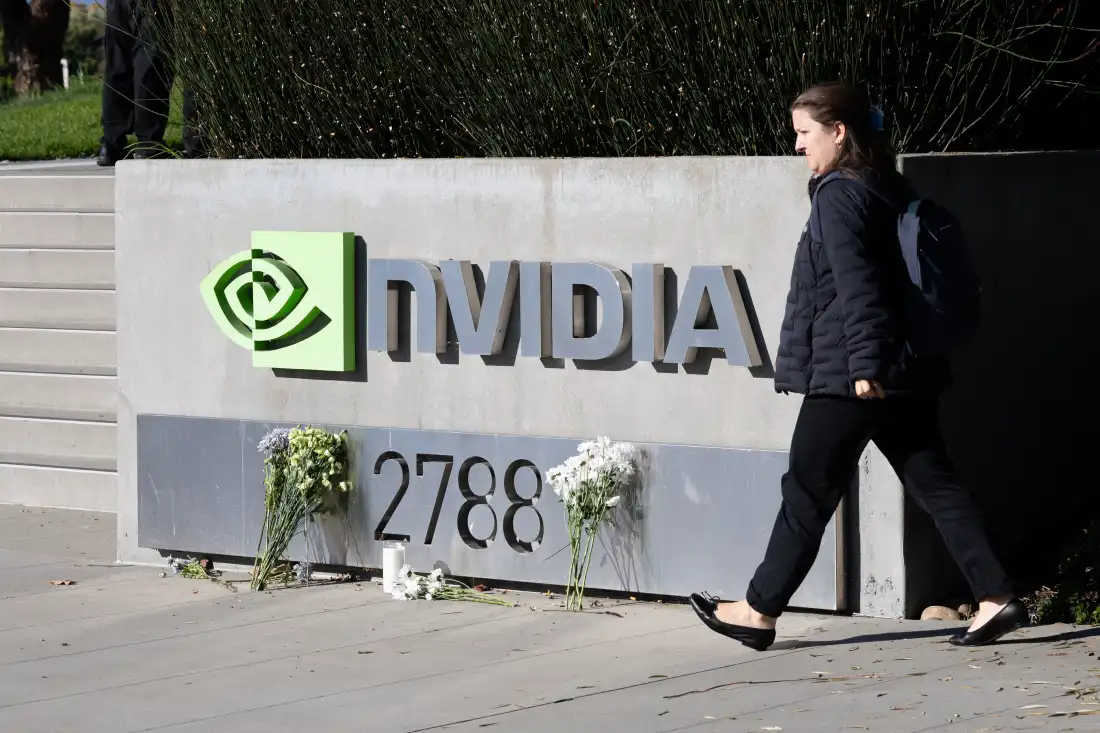
Former Nvidia chief executive Jensen Huang said he would be willing to resume leadership of the artificial intelligence chipmaker if its board of directors approves. In the same statement, Huang confirmed he will appear before U.S. lawmakers next month to address questions about national security, export restrictions, and the company’s ties to overseas partners. The announcement comes days after Huang stepped down from the CEO role following public disclosures about his personal conduct.
What Happened
Huang addressed the situation in a social media post, acknowledging that he fell short of the standards expected at Nvidia and describing personal mistakes that created difficulties for the board. He said he accepts full responsibility and will cooperate with an independent review commissioned by the company.
The former CEO’s departure followed reports linking him to a woman whom U.S. intelligence officials allege was recruited by China’s intelligence service, as well as to another woman who serves as an Nvidia executive. NPR has not independently verified those reports. Huang also faces scrutiny over his connection to Alice Huang, a former executive at Singapore-based Megaspeed, which has been a significant purchaser of Nvidia processors. Megaspeed has stated that it conducts lawful business and that the executive left in 2025, while adding that it is carrying out an internal review.
Huang and Nvidia’s general counsel, Tim Teter, are scheduled to testify behind closed doors on December 1 and 2 before the House Foreign Affairs and Intelligence Committees and the House Select Committee on the Chinese Communist Party. Lawmakers are seeking answers about alleged chip smuggling and attempts to circumvent U.S. export controls designed to limit China’s access to advanced artificial intelligence semiconductors.
Meanwhile, the Commerce Department introduced new restrictions on remote access to high-end AI chips and servers, aiming to close a pathway that could have allowed Chinese firms to use Nvidia hardware through overseas data centers. The Justice Department is also conducting a criminal probe into Megaspeed. Nvidia’s board has established a special committee to oversee national security policy, export compliance, and global trade risk.
Why This Matters
The developments place one of the most valuable technology companies in the world at the center of a geopolitical and regulatory storm. Nvidia’s advanced chips are critical to artificial intelligence development, and U.S. policymakers have increasingly treated their distribution as a national security issue. Huang’s willingness to return adds uncertainty to the company’s leadership at a moment when it is also preparing to release quarterly earnings under new acting chief executive Colette Kress.
The congressional hearings could shape future export rules and determine how strictly Washington enforces limits on advanced semiconductor technology. For investors and industry observers, the outcome may influence confidence in Nvidia’s governance and its ability to navigate pressure from both the U.S. and Chinese governments.
Key Takeaways
- Jensen Huang said he would return as Nvidia CEO if the board agrees.
- Huang will testify before Congress on December 1 and 2 regarding national security and export control concerns.
- Huang stepped down last week after acknowledging infidelity to his wife.
- Reports have connected Huang to individuals linked to Chinese intelligence and Nvidia, though NPR has not independently confirmed those claims.
- The Justice Department is investigating Megaspeed, and the Commerce Department has tightened remote-access rules for advanced AI chips.
- Nvidia’s board has formed a committee to oversee security policy and export compliance.
- Colette Kress is serving as acting CEO and is set to present quarterly results.
Conclusion
Jensen Huang’s offer to return to Nvidia and his agreement to speak with lawmakers mark a significant chapter in the company’s ongoing reckoning with personal conduct allegations and federal security investigations. Whether the board invites him back remains uncertain, but the December testimony will likely clarify how deeply U.S. officials intend to scrutinize Nvidia’s business practices and relationships abroad. For now, the chipmaker moves forward under new leadership while navigating one of the most intense regulatory environments in the semiconductor industry.
Discussion
Join the conversation
Thoughtful reactions, questions, and follow-up ideas help shape the next story.