Introduction
When John Mulaney’s “Sister” sketch aired on Saturday Night Live, it quickly became a viral touchstone for anyone who has ever shouldered the burden of elder care alone. The premise is simple and cutting: a live-in caregiver who works around the clock, costs nothing, and happens to be your sister. Behind the laughter is a stark financial reality that millions of families face every day. As one longtime caregiver explains, the joke is funny because it describes an arrangement that is anything but fictional.
What Happened
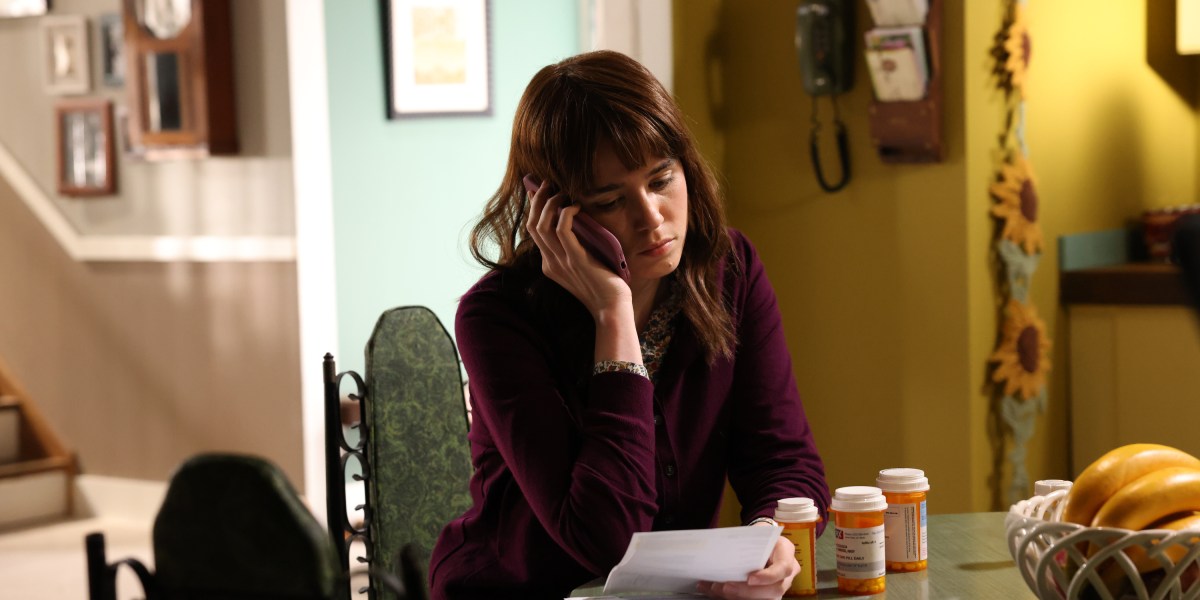
The sketch centers on a fictional product called “Sister,” pitched as a completely free, 24/7 caregiver who is also the family’s daughter. One brother explains that years of internalized expectations have made elder care feel like her responsibility, not his. Another notes that because the inheritance documents predate her move-in, the siblings still split the estate equally while she handles the cleaning, cooking, and personal care. In less than a day, the video reached two million views on YouTube, and women across the country began forwarding it to their brothers.
The author of the commentary is that sister. She has cared for her parents full-time for 14 years without pay. After her father died in 2022, the workload did not decrease; it intensified. She manages medications, specialist appointments, insurance claims, daily meals, and countless errands while also working as a columnist. Her career has contracted around her mother’s needs, with missed meetings, shifted deadlines, and repeated explanations to editors. Each year brings lower earnings, and in 2024 her Social Security record reflects almost zero income for that year.
Those personal losses line up with national data. AARP, working with the Urban Institute’s income model, estimates that the average working caregiver will forfeit roughly $120,500 over a lifetime in lost wages, retirement contributions, and Social Security benefits. For Americans born in the early 1980s, the generational total reaches $2.3 trillion. That figure only includes caregivers who remained employed; people who leave the workforce entirely face even steeper losses.
The scale is enormous. In 2024, about 59 million family caregivers provided 49.5 billion hours of unpaid care, a contribution the AARP Public Policy Institute values at $1.01 trillion—more than total Medicaid spending that year. Women account for roughly 60 percent of family caregivers. Meanwhile, a 2026 AARP study found that caregivers now spend an average of $11,508 annually out of pocket, nearly 60 percent more than in 2021 and about 31 percent of household income. Those who retired early spend even more, averaging $18,940 per year. Research cited by the TIAA Institute indicates that nearly one in four caregivers has less than $1,000 set aside for retirement.
Why This Matters
The damage does not stop when caregiving ends. Social Security calculates retirement benefits using a worker’s 35 highest-earning years, so every year spent without a paycheck enters the calculation as a zero. A caregiver who leaves work for five years does not merely lose five years of income; she locks in a smaller monthly check for the rest of her life, long after her parent has passed away.
There is also an inheritance problem. The sketch’s punchline lands because it describes a common dynamic: the sibling who provides years of unpaid labor helps preserve the family home and savings, yet the estate is often divided equally among all children. The brothers regain their weekends, promotions, 401(k) matches, and full earnings records, while the sister’s retirement account remains depleted.
This imbalance persists because caregiving is usually described as love rather than labor. Framing it as a gift settles the financial accounts in advance. Employers avoid leave costs, governments delay home-care funding, and siblings return to their own lives—all while the caregiver bears the cost. Calling the work priceless conveniently treats it as worthless.
Key Takeaways
- Unpaid family caregiving is a major driver of wealth loss, especially for women, who make up about 60 percent of caregivers.
- The average working caregiver may lose approximately $120,500 over a lifetime in wages, retirement income, and Social Security.
- Caregivers born in the early 1980s represent $2.3 trillion in combined lifetime losses across their generation.
- Social Security’s 35-year earnings formula means years without pay can permanently reduce retirement benefits.
- Out-of-pocket caregiving costs average $11,508 per year, with early retirees spending closer to $18,940 annually.
- Proposed legislation, such as the Social Security Caregiver Credit Act, would provide deemed earnings for qualifying caregivers to protect their retirement records.
Conclusion
Some solutions already exist. The Social Security Caregiver Credit Act, reintroduced in April by Senators Chris Murphy of Connecticut and Kirsten Gillibrand of New York, would grant up to five years of deemed earnings to caregivers who provide at least 80 hours of care per month. States could go further by paying family caregivers through Medicaid at genuine wages rather than nominal stipends. Families can also address the imbalance directly by accounting for caregiving labor in wills and estate plans.
Until those changes become standard, the sister in the sketch will remain a real person in millions of households. Her labor keeps parents out of nursing homes and preserves family estates, yet she often retires with diminished savings and a smaller Social Security check. Recognizing caregiving as work—not just love—is the first step toward making the math add up.
The opinions expressed here are solely those of the author and do not necessarily reflect the views of the publication.
Discussion
Join the conversation
Thoughtful reactions, questions, and follow-up ideas help shape the next story.