Introduction
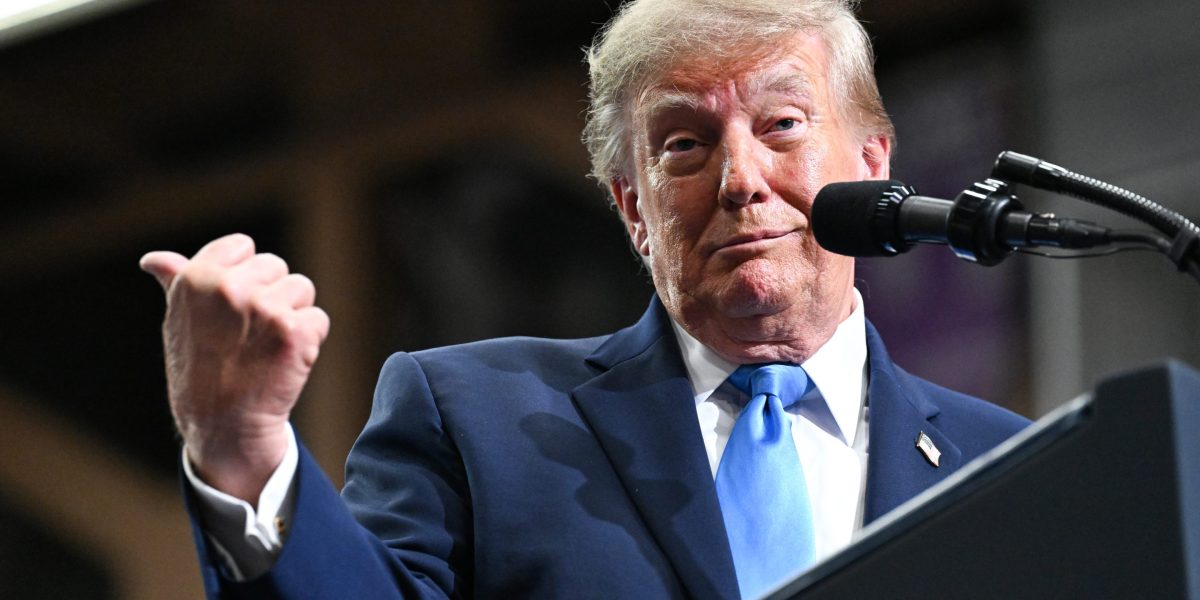
President Donald Trump has reignited debate with a proposed $5,000 dividend payment ahead of the 2026 midterms. The plan, branded the Trump Dividend, promises cash to eligible Americans if Republicans sweep both chambers of Congress. However, the definition of who qualifies keeps changing, and voter confidence remains low.
What Happened
Trump first announced the payment on September 9 at a Republican midterm convention in Dallas, framing it as a reward for economic strength. Since then, the language has shifted repeatedly. Early remarks mentioned every adult U.S. citizen, while later comments broadened the scope to every U.S. citizen, a distinction affecting roughly 73 million people. Estimates suggest the adult-only version would cost about $1.3 trillion, while extending it to all citizens would push the total past $1.7 trillion. A September Economist and YouGov poll found that only 21% of registered voters believe Trump will definitely or probably follow through, while 57% think he probably or definitely will not. Even among Republicans, just 45% expect the payment to materialize. Trump has a history of proposing direct payments that never delivered, including a 2025 DOGE dividend and a tariff-funded $2,000 dividend that never materialized.
Why This Matters
The shifting eligibility rules and steep price tag raise questions about the proposal's feasibility and the administration's fiscal planning. With voter skepticism running high—61% of likely voters in the same poll said Trump would not deliver—the dividend has become a test of political credibility ahead of the midterms. The plan also highlights broader tensions around campaign promises, government spending, and how candidates use financial incentives to sway turnout.
Key Takeaways
- The dividend amount and eligibility have shifted since the initial announcement.
- Only 21% of voters trust Trump will actually pay the $5,000, and even fewer Republicans expect it to happen.
- Cost estimates range from $1.3 trillion for adults to over $1.7 trillion for all citizens.
- Trump has a track record of proposing direct payments that never came to fruition.
- The proposal remains a central talking point as the 2026 midterms approach, but its future depends on Republican control of Congress.
Conclusion
As the 2026 midterms loom, Trump's $5,000 dividend proposal continues to evolve, drawing both attention and skepticism. Whether the check ever materializes depends on Republican electoral success and the administration's ability to finalize eligibility rules. Voters and analysts alike are watching closely, not just for the money, but as a signal of the administration's follow-through on major campaign commitments.

Discussion
Join the conversation
Thoughtful reactions, questions, and follow-up ideas help shape the next story.