Introduction
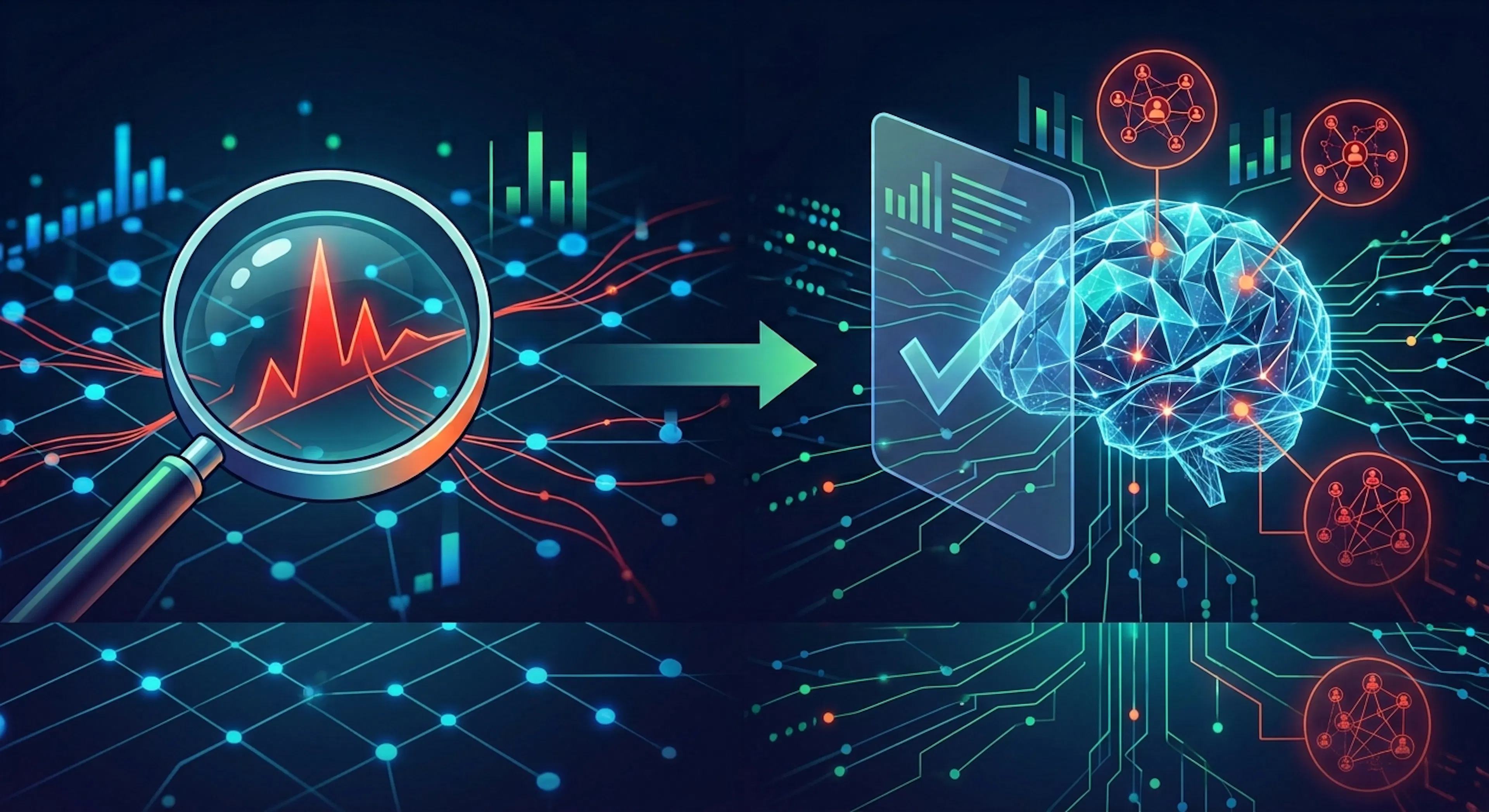
\nGenerative AI enables bad actors to fabricate identities, mimic legitimate behavior, and fly under the radar of traditional systems. What was once caught by spotting odd transactions now requires connecting the dots across accounts, devices, and networks.
\n\nWhat Happened
\nHistorically, fraud teams led with a simple question: does this transaction look unusual? Modern fraudsters have outpaced that approach. They spread activity across multiple accounts, keep amounts just below thresholds, and wait patiently for the right moment. The result is a profile that looks entirely normal for months, even years, while quietly preparing for large-scale abuse.
\n\nWhy This Matters
\nWhen a single account or transaction is viewed in isolation, it is easy to miss the bigger picture. Fraud is not about one suspicious event—it is about relationships. Synthetic identities built from real and fabricated data, shared device fingerprints, and linked beneficiary accounts all signal a coordinated operation that traditional monitoring overlooks. Catching these patterns requires looking beyond the transaction itself.\n
\n\nKey Takeaways
\n- \n
- Synthetic identities combine real information, fabricated data, and AI-generated assets to appear legitimate. \n
- Fraudsters deliberately mimic normal behavior to evade anomaly-based flags. \n
- Graph analytics reveals hidden connections between accounts, devices, and beneficiaries that transaction monitors miss. \n
- OSINT validates corporate or individual claims by cross-referencing external data sources. \n
- The most effective fraud prevention combines machine speed with human contextual judgment \n
Conclusion
\nThe next breakthrough in financial crime detection will not come from a sharper anomaly detector. It will come from systems that unite identity intelligence, network graph analysis, external context, and human expertise. When fraud looks completely normal on the surface, the only way to uncover it is through the connections beneath the surface.\n


Discussion
Join the conversation
Thoughtful reactions, questions, and follow-up ideas help shape the next story.