Introduction
Most economic indicators suggest inflation is settling down, yet a notable portion of the American public is braced for something far more severe. According to recent survey data from the University of Michigan, roughly one in six consumers expects prices to climb 15% or more over the next twelve months. That level of anticipated price growth has not been a reality in the United States since the 1940s, making the expectation a striking outlier in an otherwise cooling price environment.
What Happened
In the University of Michigan's October consumer survey, 16% of respondents said they expect prices to rise at least 15% over the coming year. That figure is essentially unchanged from the same month a year earlier, according to UBS chief economist Paul Donovan, who highlighted the finding in a November 20 research note arguing that the inflation outlook remains largely benign. Meanwhile, the median household's year-ahead inflation expectation dropped sharply, falling from 4.7% to 3.7% in the final November reading, survey director Joanne Hsu said.
Historically, annual inflation has exceeded 15% only twice since the government began tracking prices in 1913: during the post-World War I period from 1917 to 1920, and again from late 1946 to mid-1947 after wartime price controls ended. Achieving a 15% annual rate now would require price increases roughly four times faster than the 3.7% pace seen in the twelve months through September. The Bureau of Labor Statistics reported a 0.4% monthly increase in October, though an annual rate was not published due to a data gap from the prior year's government shutdown. Bank of America estimates the headline rate at roughly 3.8% and core inflation at about 2.7%.
Why This Matters
The gap between the typical household and the most anxious consumers matters because inflation expectations can become self-fulfilling. When people believe prices will surge, they may demand higher wages or rush to make purchases, which can add upward pressure to the very costs they fear. Federal Reserve researchers have long tracked this dynamic, noting that households tend to remember price increases more vividly than price cuts and often weigh the items they buy most frequently, such as groceries and fuel, more heavily in their outlook.
Partisanship also appears to shape the outlook. Researchers from the University of Michigan have found that independents' inflation expectations often align more closely with the political party not occupying the White House, a divide that survey director Joanne Hsu said has generated substantial economic uncertainty. Recent polling suggests the cost of living was a decisive issue for voters, with most calling it a crucial or major factor in their congressional vote.
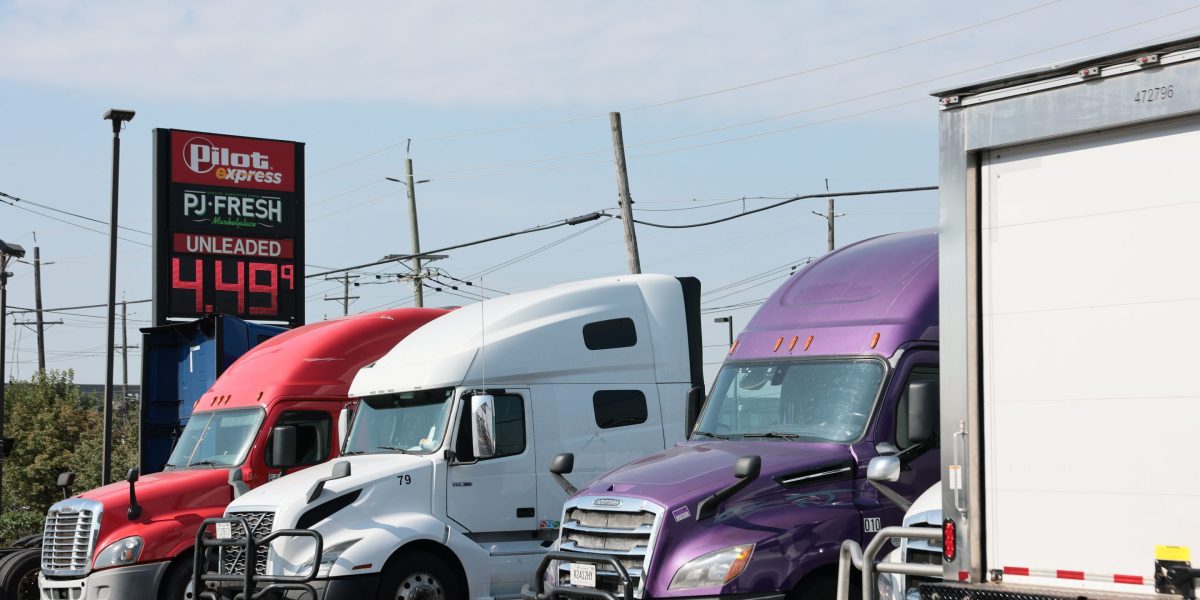
Energy prices are a major driver of the anxiety. According to the Bureau of Labor Statistics, gasoline prices rose 37.4% in the year through October. Retail diesel prices in the United States reached record highs in September. Brent crude has gained more than 60% since the start of the Iran war and briefly exceeded $117 per barrel in late October. These visible costs at the pump and in shipping often loom larger in consumer psychology than broader, less noticeable price trends.
Key Takeaways
- About 16% of University of Michigan survey respondents expect inflation of 15% or higher over the next year, unchanged from October 2025.
- The median household expectation fell to 3.7%, matching the actual inflation rate recorded in September 2026.
- Annual inflation above 15% has not occurred in the U.S. since 1947, making the expectation a rare historical outlier.
- Partisan affiliation influences expectations, with independents often mirroring the party out of power.
- Sharp increases in gasoline and diesel prices are amplifying fears, even as broader inflation measures remain near pre-pandemic norms.
Conclusion
The contrast is stark: while the typical American household now expects inflation close to the current rate, a significant minority is preparing for price increases not seen in nearly eight decades. During the late 1970s, the typical household's inflation guess averaged 9.7%, yet actual price growth came in even higher. Research from the Boston Federal Reserve found that more than five percentage points of the expectation surge in that era could not be explained by actual price changes alone, with gasoline accounting for roughly one point.
The policy backdrop is also different. In the late 1970s, the Federal Reserve pushed interest rates toward 19% as unemployment climbed above 10%. Today, the central bank has moved more cautiously, holding its benchmark rate in the 3.75% to 4% range after a September increase. Whether today's fears prove justified will become clearer with the November consumer price index, scheduled for release on December 10. For now, policymakers and businesses alike should watch this divide closely, because when expectations detach from economic reality, the consequences can linger long after the initial shock fades.
Discussion
Join the conversation
Thoughtful reactions, questions, and follow-up ideas help shape the next story.